Collections.
We dress quietly, move slowly, and trust the discipline of negative space.
Vol. I — Stillness
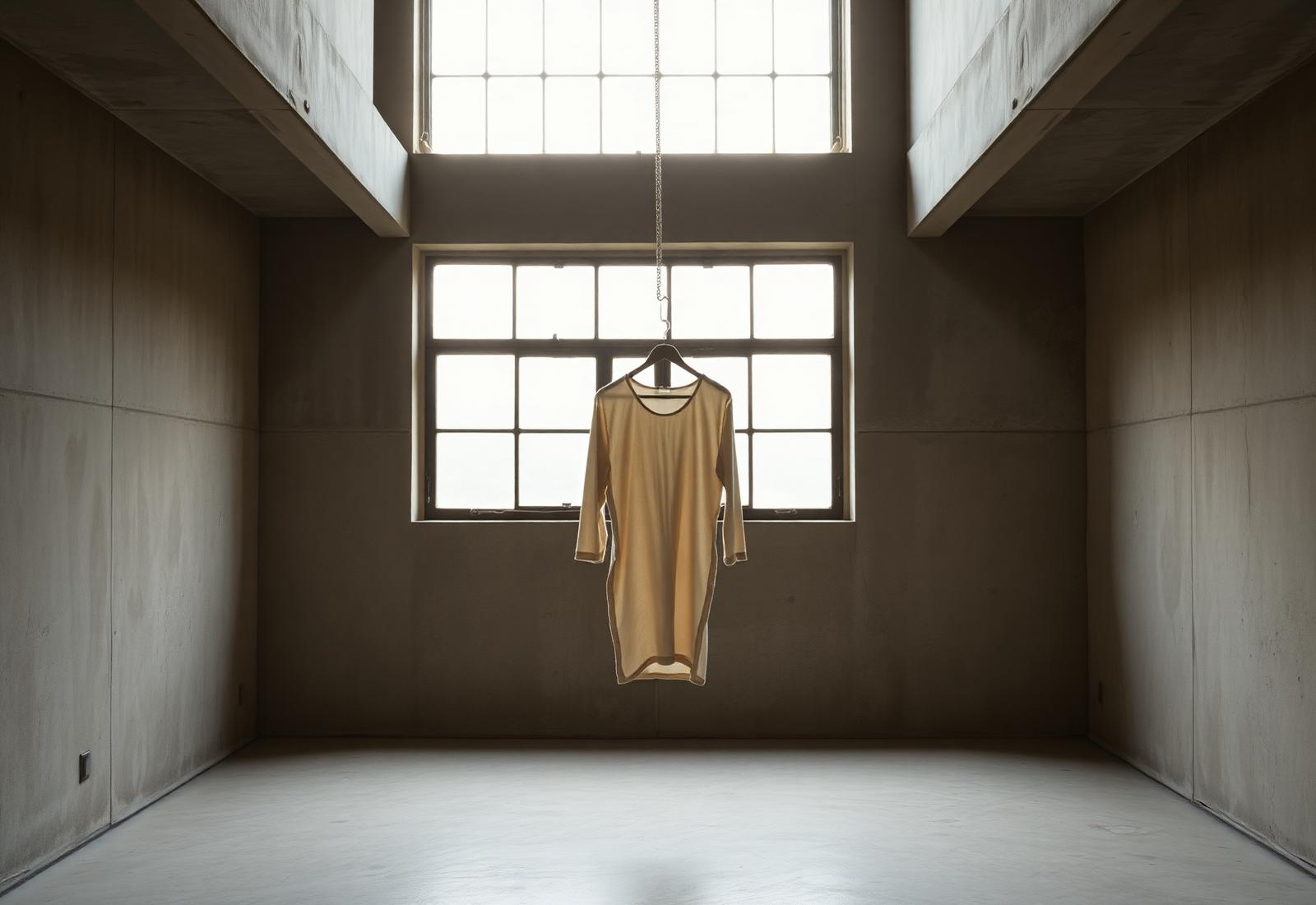
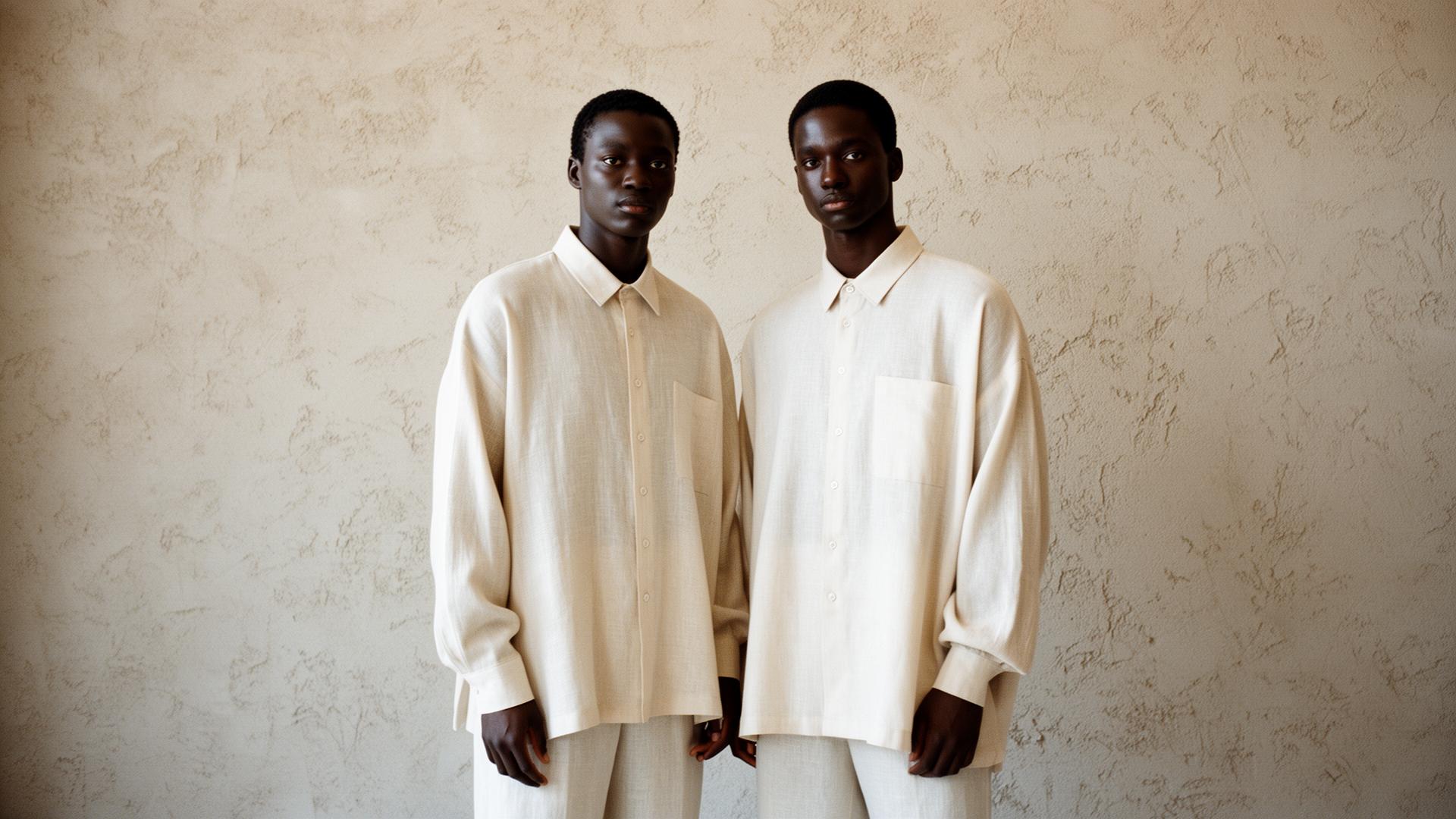
A focused exploration of pure volume, raw texture, and soft, natural insulation. Crafted from untreated cashmere wools and linen blends that drape in silent silhouettes.
A house, in chapters.
ÀṢẸ
“Where heritage meets power.”
Àṣẹ opened the house with a single conviction: that clothing should carry intention. The debut study worked in weighted cotton, raw silk and unlined wool, cut into silhouettes that hold their own posture before anyone steps into them. Shoulders were widened, hems left long, seams pressed flat and left visible. Nothing was decorated. The collection was photographed in daylight against bare plaster, and shown without music. It remains the reference point every subsequent volume is measured against — the moment the house decided restraint would be its loudest gesture.
Explore Collection→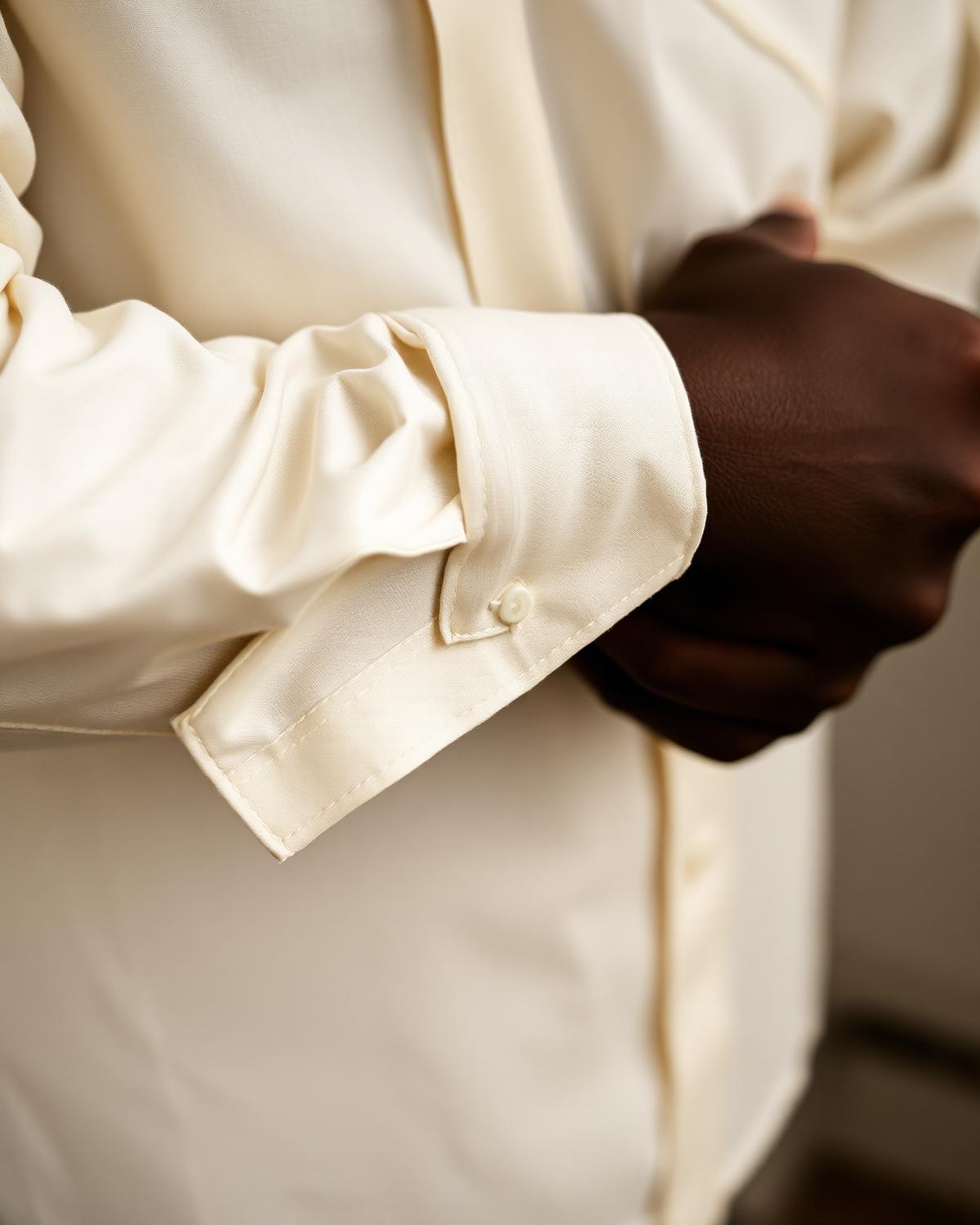
Mmụọ
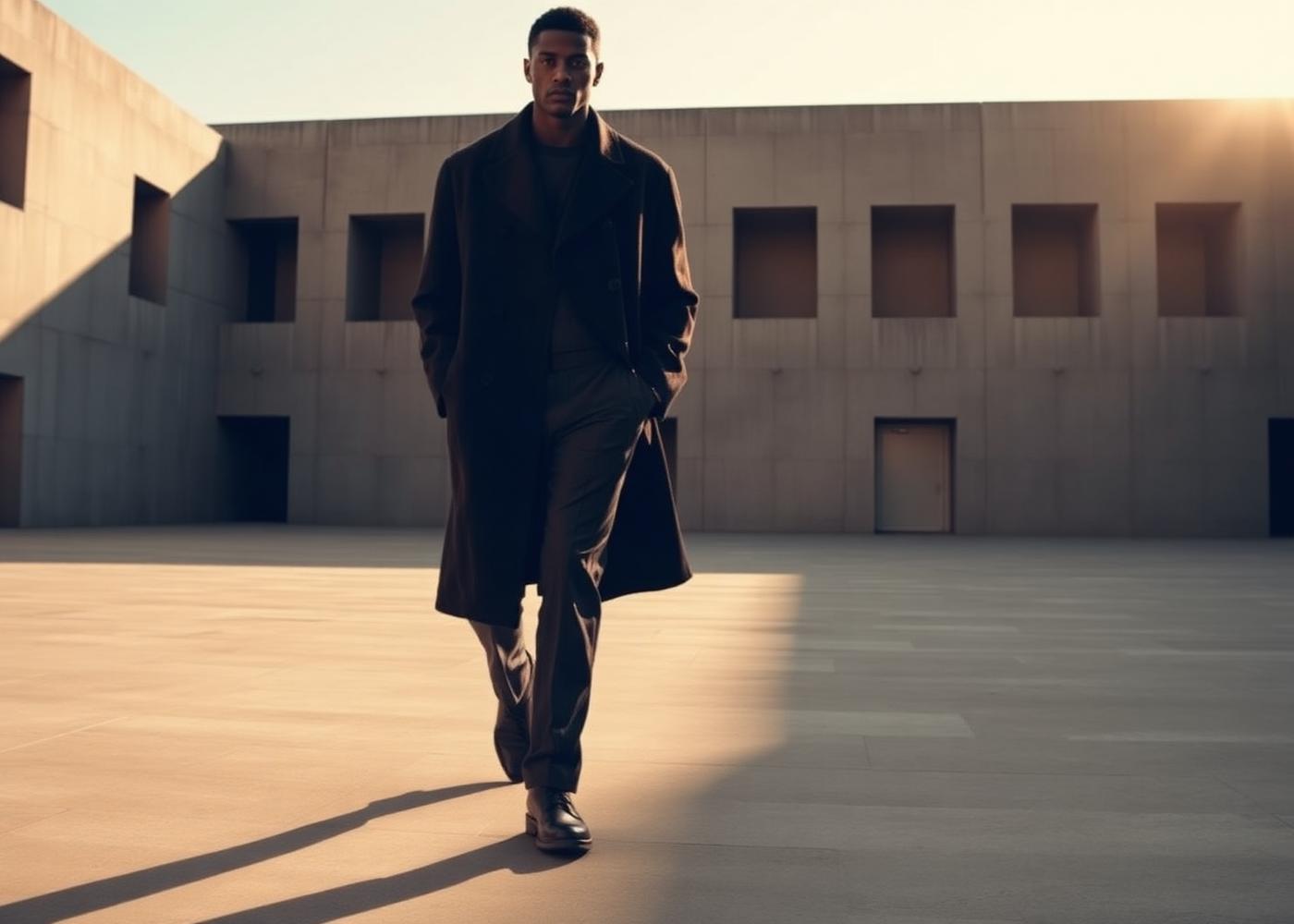
Mmụọ turned inward. Where the debut announced itself, this study asked what remains when a garment is stripped of statement. The answer arrived in layering: sheer overshirts across heavy knit, coats worn open, trousers falling without break. The palette narrowed to bone, ash and deep charcoal. Fabrics were chosen for how they move in peripheral vision rather than how they photograph. Each piece was finished by hand and left slightly imperfect, so wear would read as history rather than damage. A collection about presence, made quietly, for those who do not need to be seen arriving.
Explore Collection→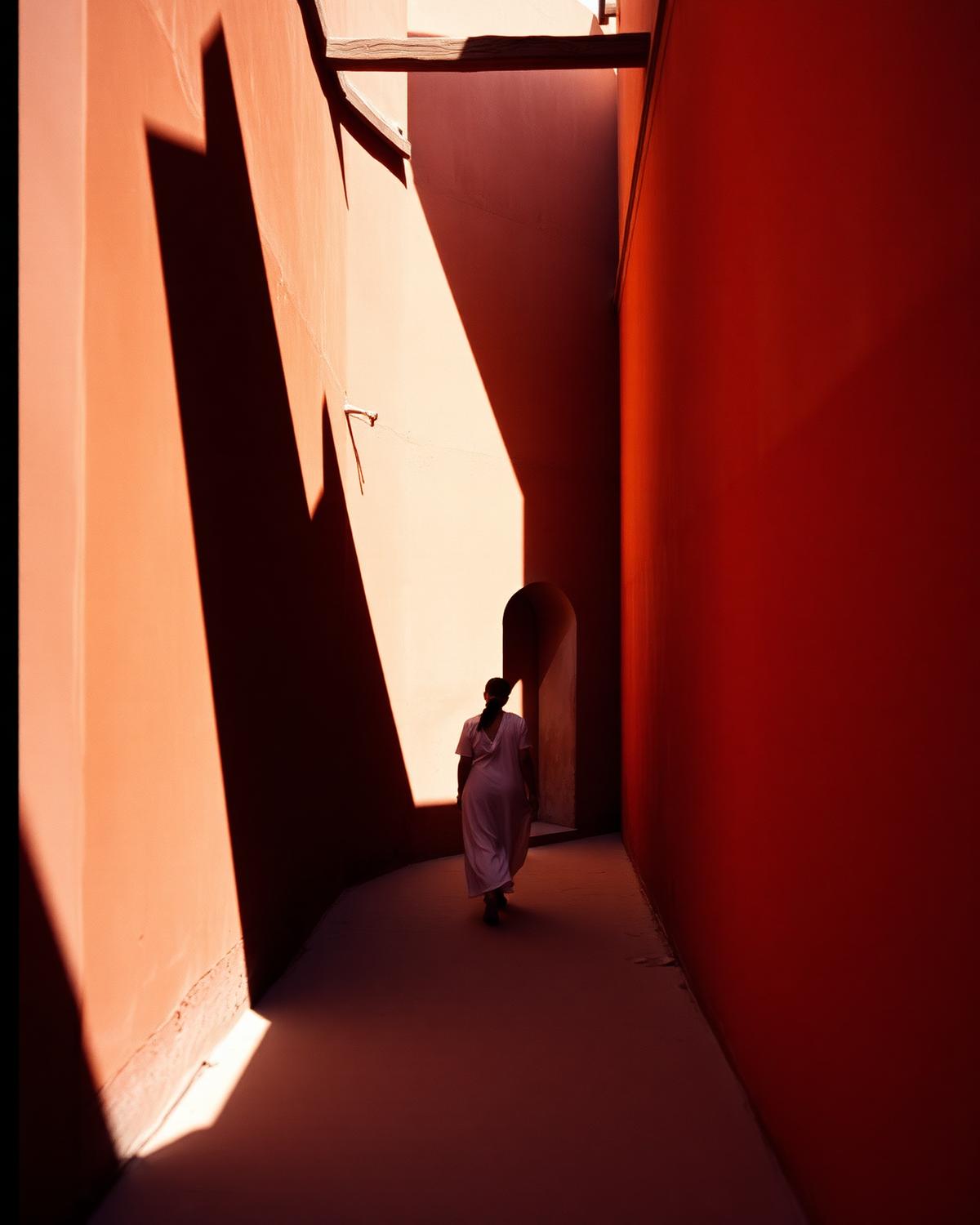
Haske
Haske let light back in. After two studies in shadow and weight, the house opened its palette to cream, pale gold and washed ivory, and its construction to air. Silks were cut on the bias, linens left unstructured, knitwear loosened until it drifted. The tailoring softened without losing its line. Shown in an empty white room at midday, the collection depended entirely on how cloth catches and releases daylight across a moving body. Haske is the house at its most optimistic — a study in radiance achieved through subtraction, not ornament.
Explore Collection→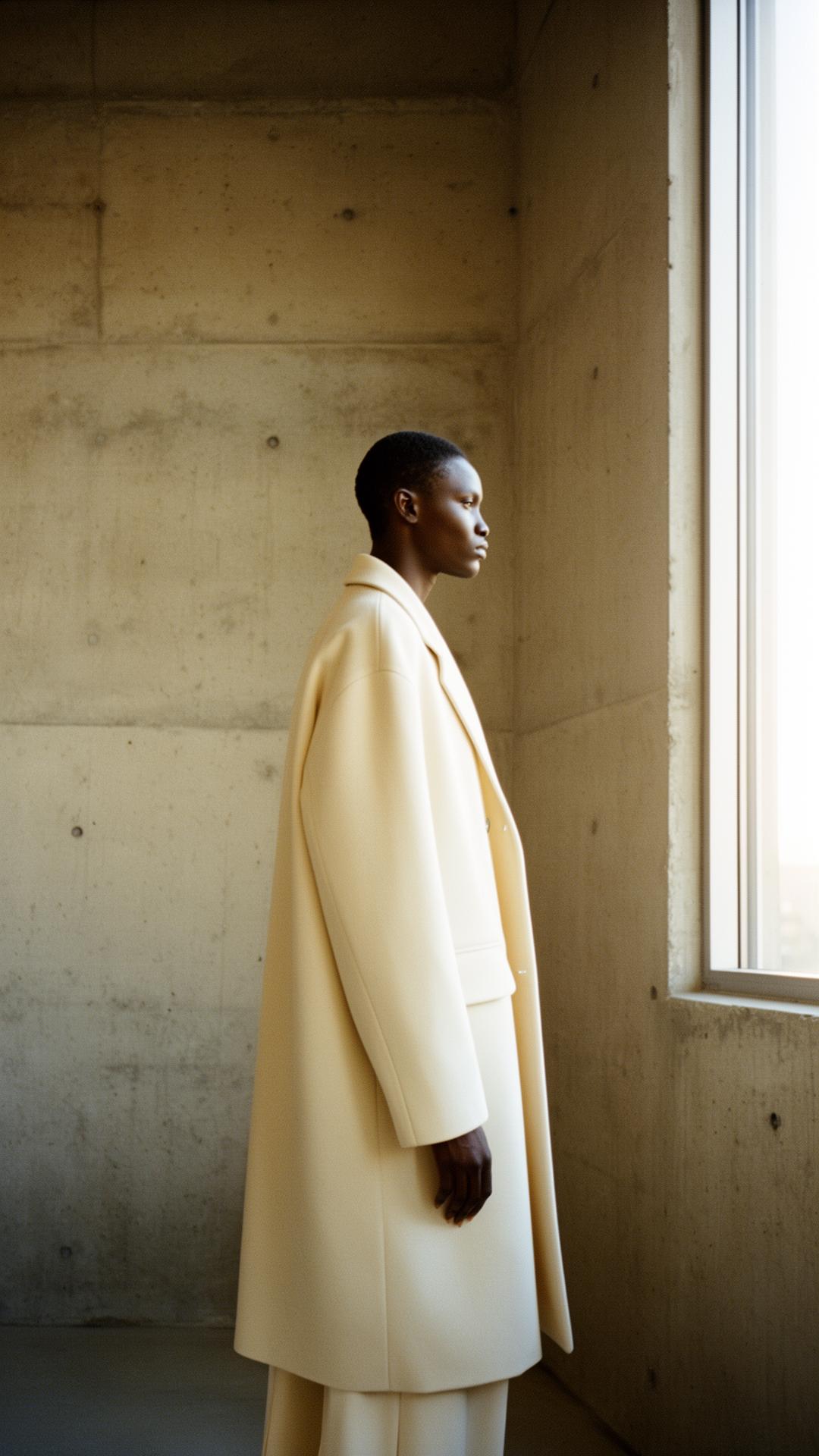
Atelier Nova
Atelier Nova marked a shift in method. The house slowed its output, moved to made-to-measure for its core pieces, and rebuilt each pattern from the body outward. Wool was sourced from a single mill, cashmere from a single flock. Coats were canvassed by hand, jackets given three fittings before release. The collection is deliberately small: eight garments, each intended to remain in a wardrobe for a decade. Nothing in it responds to a season. It is the house declaring that craftsmanship, not calendar, would govern what leaves the atelier from this point forward.
Explore Collection→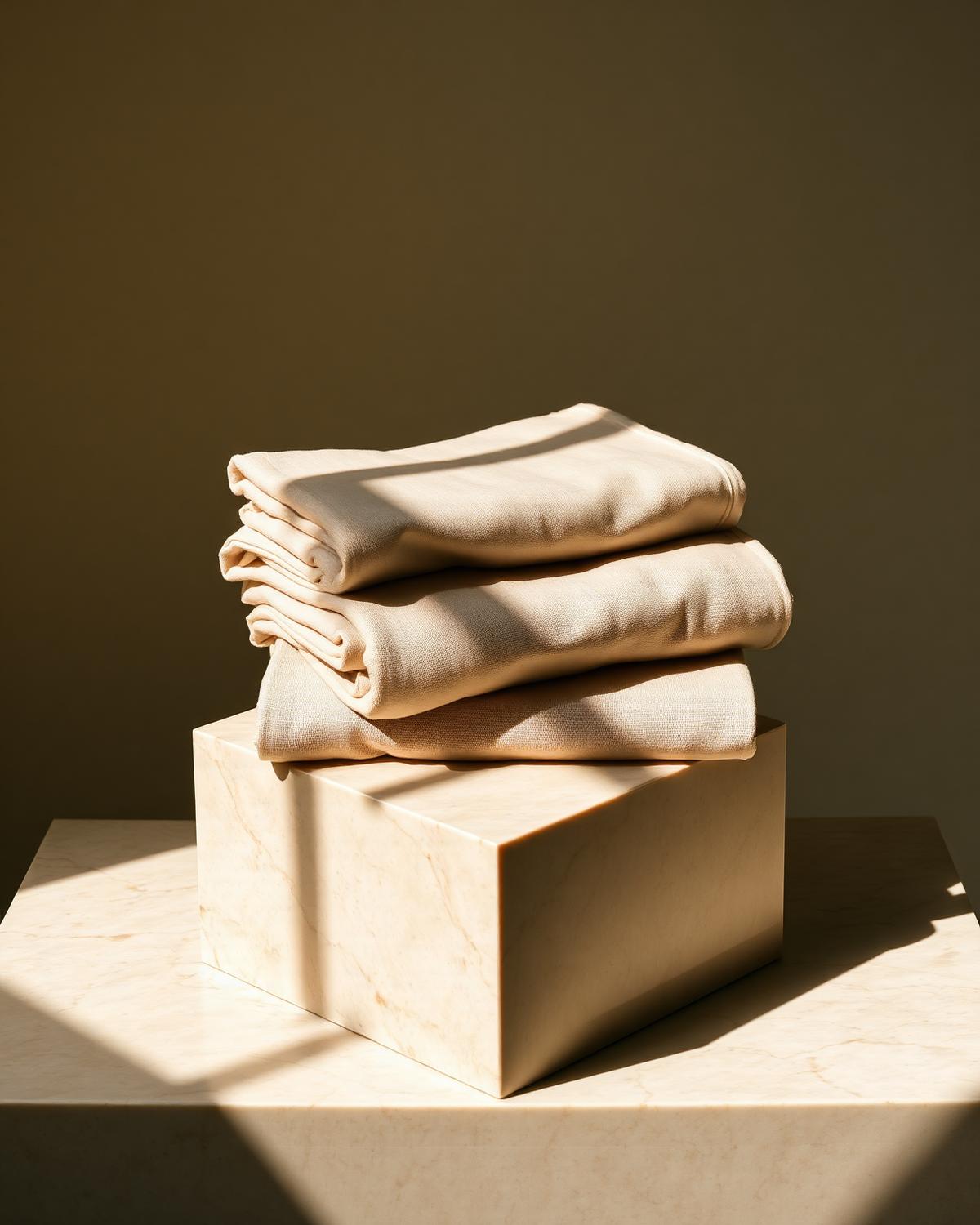
FRANKINCENSE
“Timeless by design.”
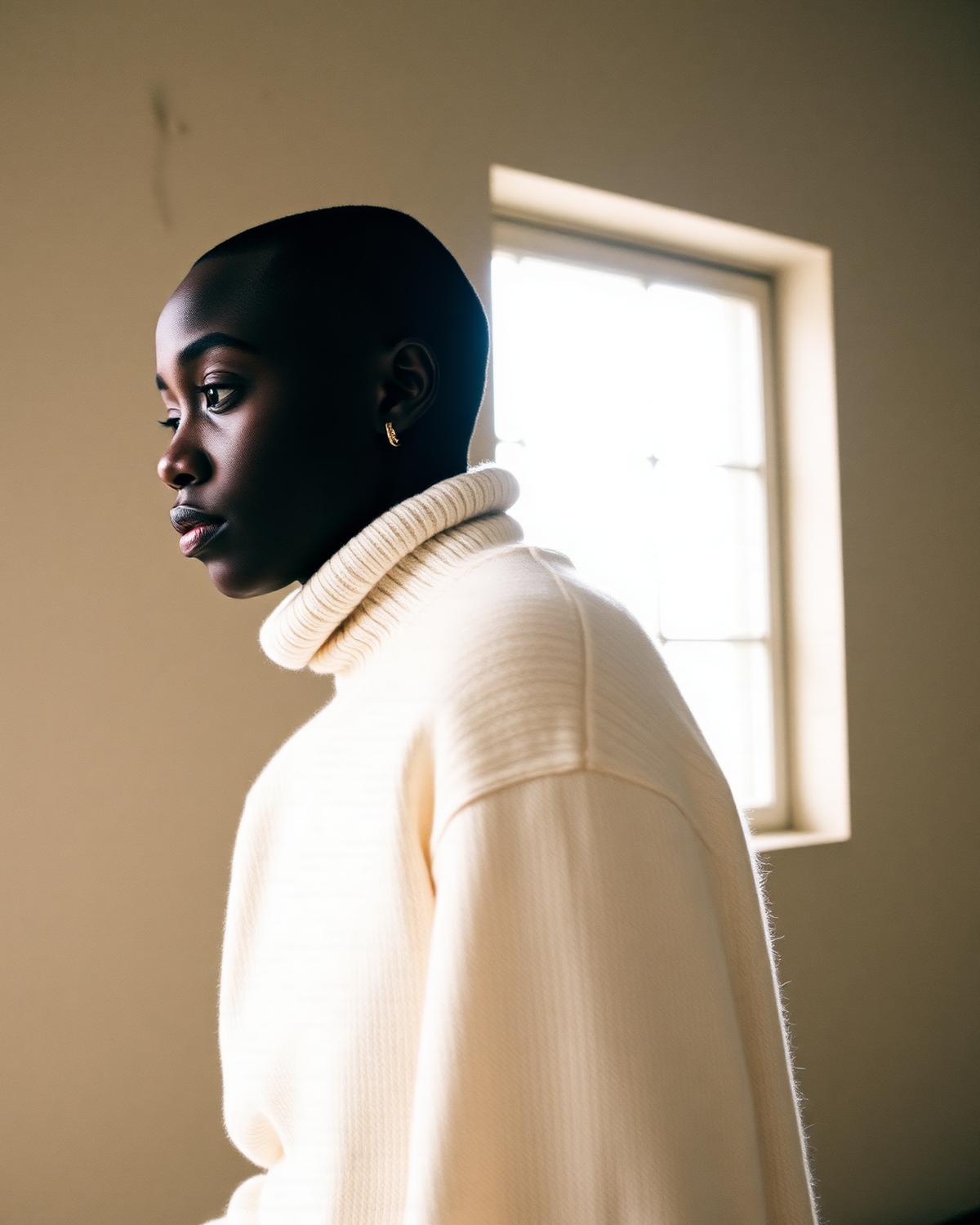
The house turned its own name into a study. Frankincense takes its cue from resin — something precious, slow to form, valued for what it releases rather than how it looks. Garments were built in heavyweight wool, oiled cotton and undyed cashmere, in tones drawn from amber, smoke and bark. Silhouettes were kept long and unbroken, closures hidden, hardware removed entirely. This is the definitive expression of the house language: no logo, no season, no argument. Timeless by design, and intended to be recognised only by those already looking.
Explore Collection→OMOIJADE
“Where little dreams dress big.”
OMOIJADE extends the house language to childrenswear without softening it. The same cloths, the same restraint, the same refusal of print and slogan — scaled for smaller bodies and built for movement. Cotton is washed until it gives, wool chosen for weight rather than warmth alone, seams reinforced where children actually wear through. Pieces are cut generously so they last across growth, and finished so they survive being handed down. It is the most personal study the house has made: a belief that dignity in dress begins early, and that little dreams deserve to be dressed with the same seriousness as large ones.
Explore Collection→In the Space.